Implement ITSM Processes That Drive Operational Resilience
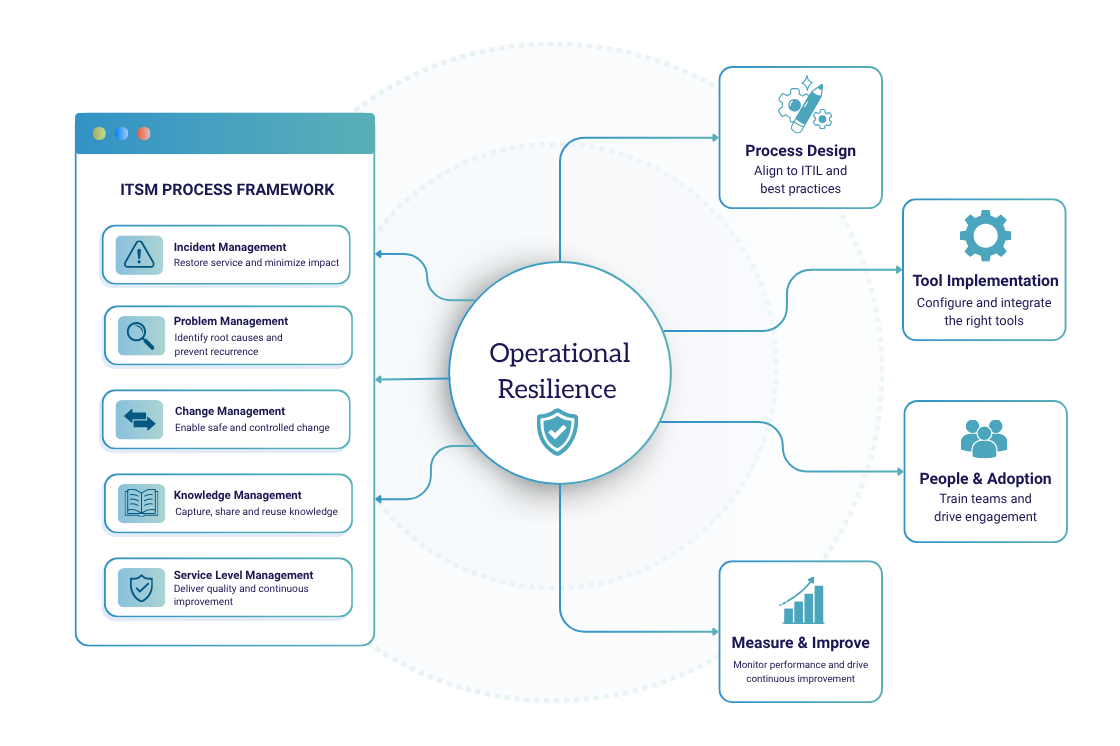
Design, implement, and scale ITSM processes that strengthen operational resilience. From process design to tool implementation and rollout, we help turn strategy into consistent, real-world execution.
Why Navvia
Operational resilience is built on ITSM processes that actually work. Navvia combines structured methodology, real-world delivery experience, and a global partner network to implement processes that strengthen operational resilience at scale.
Proven approach from design through rollout and adoption
Focus on execution—not just frameworks or documentation
Partner-led delivery to support operational resilience at scale
Most organizations invest heavily in ITSM—but still struggle with inconsistent execution, weak governance, and breakdowns under pressure.
Why ITSM Implementations Fail in the Real World
1
Processes designed in isolation
Teams who actually do the work aren't consulted — processes are built on assumptions, not reality.
2
Incomplete requirements
Gaps in requirements result in incomplete workflows — missing the steps, decisions, and handoffs that make execution work.
3
Tools before process
Implementation begins before processes are clearly defined or validated, locking in the wrong foundation.
4
Teams not aligned or trained
Without proper training and alignment, teams don't know how to execute the process correctly — leading to inconsistent and unreliable outcomes.
5
Execution breaks down under pressure
When things go wrong, process design flaws become critical failures — exactly when operational resilience matters most.
↓ How Navvia solves this
✓
Process first, always. Ensuring all requirements are defined and aligned to business needs before implementation begins.
✓
Real-world validation. Processes are stress-tested against how work actually happens — not how it's supposed to.
✓
Consistent adoption. We ensure teams are aligned, trained, and executing consistently across the organization.
From Design to Adoption
We translate ITSM best practices into operational reality — defining processes, configuring the right tools, and building the team capability to sustain them.
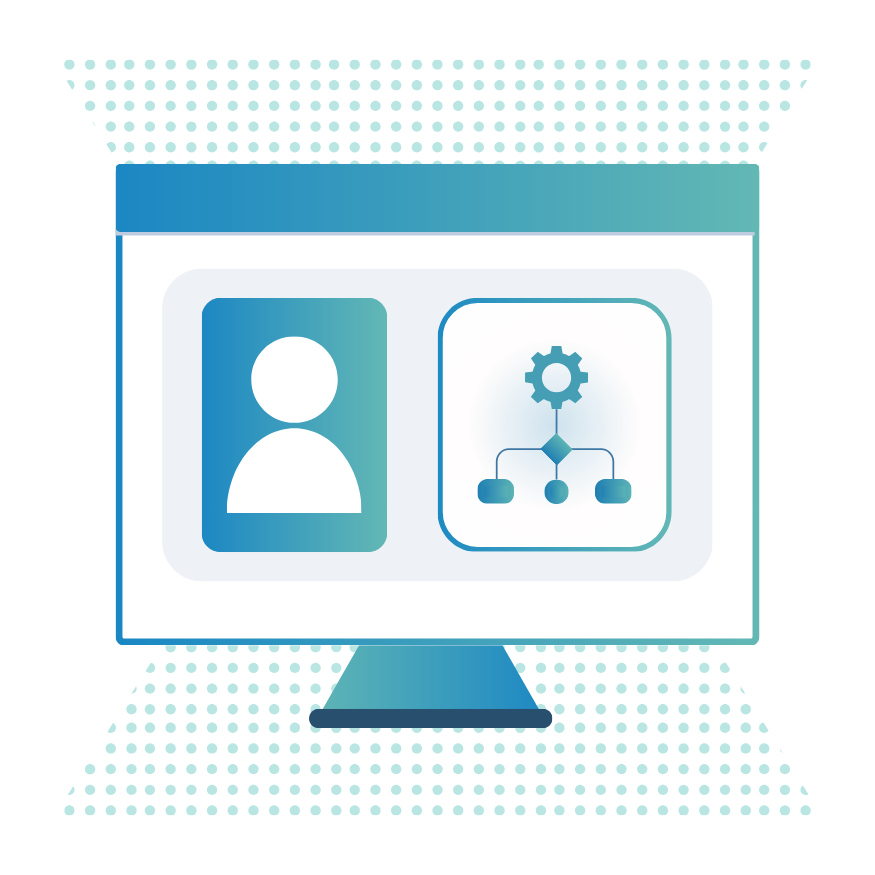
Process Design and Requirements
Facilitate workshops to define ITSM processes that support consistent, resilient execution. Capture the requirements needed to configure and customize ITSM tools.
Facilitate workshops to define ITSM processes based on real-world execution
Develop process guides, RACI, SIPOC, and other supporting artifacts
Translate process design into clear user stories, functional and technical requirements for tool configuration and customization
ITSM Tool Implementation
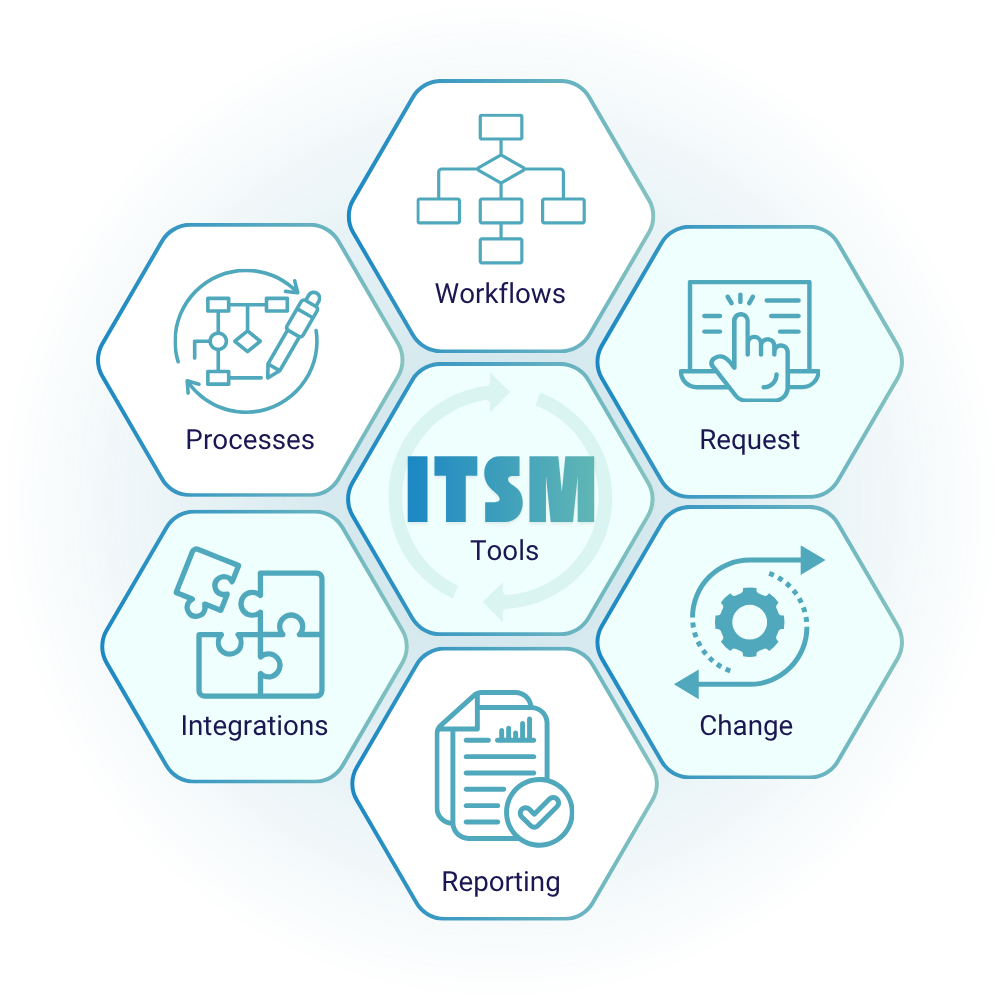
Implement and configure ITSM tools to reinforce process consistency and operational resilience while supporting defined processes, workflows, and integrations.
Configure ITSM tools to align with defined processes and workflows
Implement workflows, automation, and integrations to support efficient execution
Ensure tools reinforce process consistency and operational control through actionable metrics, dashboards, and reporting
Training & Rollout
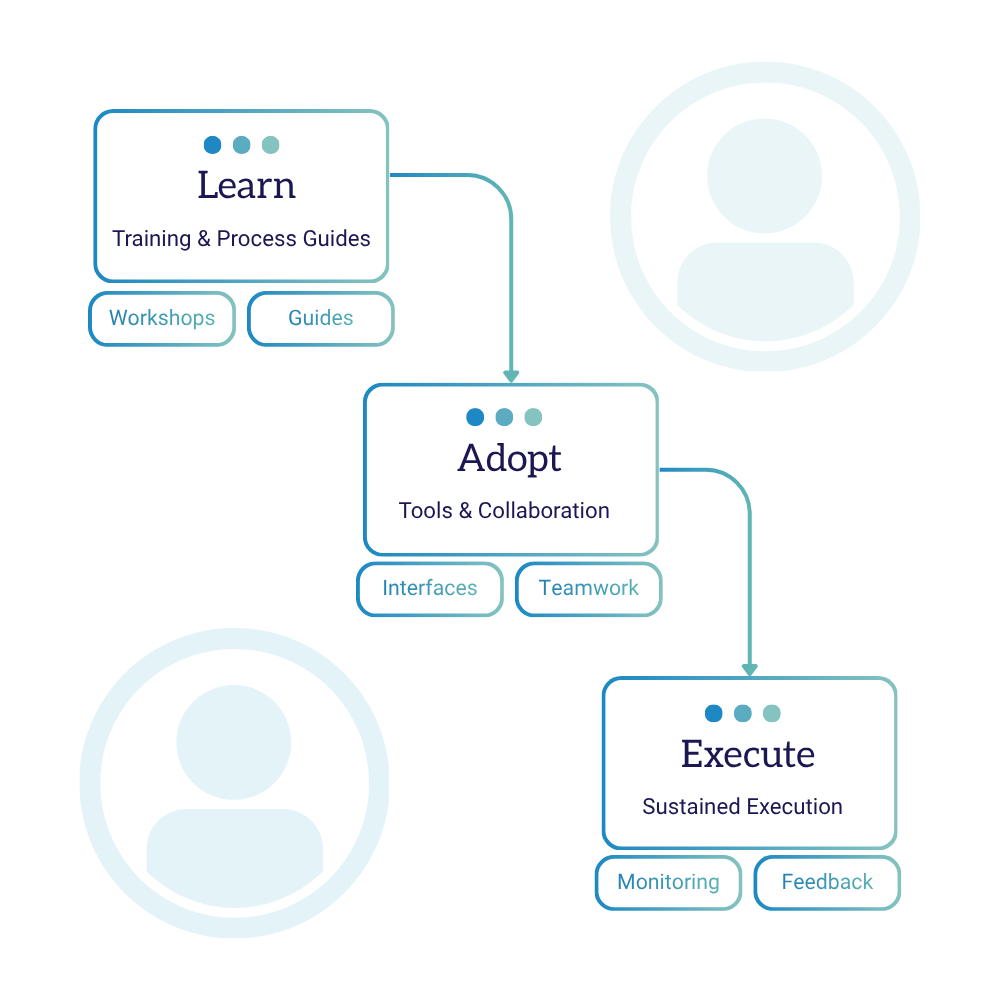
Train teams and support rollout to ensure adoption and sustained execution to strengthen resilience over time adoption through consistent process execution.
Train teams on new processes, tools, and ways of working
Support rollout with guided adoption and stakeholder engagement
Monitor early execution to reinforce consistency and address gaps
Our Approach
Operational resilience is built through processes that work in practice—not theory. Our approach combines structured design, real-world validation, and phased rollout to ensure adoption and measurable improvement.
Design the Right Processes
We work with your teams to define processes that reflect how work actually gets done.
Facilitate workshops with stakeholders and SMEs
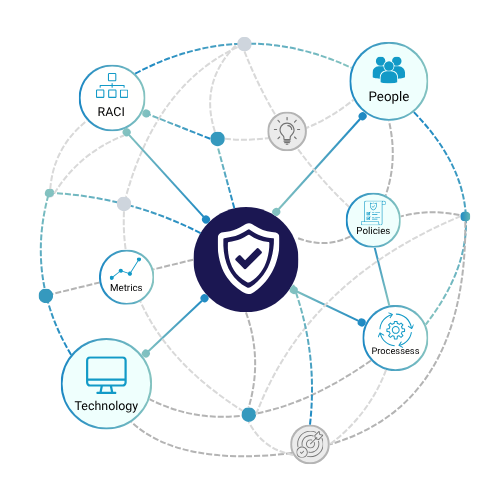
Build process models (flows, RACI, controls, metrics)
Align across teams to drive consistency and adoption
Define the requirements needed to support the process in tools
Pilot and Validate
We configure the process and supporting tools in a controlled environment to ensure it works before scaling.
Configure and customize ITSM tools based on requirements
Develop use cases and test scenarios
Train pilot users and gather feedback
Refine process, roles, and configuration
Rollout and Embed
We scale the solution across the organization with training, governance, and continuous improvement.
Execute phased rollout across teams or regions
Deliver role-based training and enablement
Establish governance, metrics and reporting
Support adoption and ongoing improvement
Outcome
Adoption and measurable improvement across your operations
Frequently Asked Questions
Do we need a new ITSM tool to get started?
No. We start with process design and requirements, then configure tools to support how your organization actually works. In many cases, we optimize and build on your existing tools.
How is your approach different from traditional ITSM implementations?
Most implementations start with the tool. We start with process—facilitating workshops to define how work actually gets done, then translating that into requirements, tool configuration, and rollout. This ensures processes are adopted and sustained.
How do you ensure adoption across teams?
Adoption is built into our approach. We involve stakeholders in workshops, validate designs through pilot implementations, and provide targeted training and rollout support to ensure teams understand and follow the new processes.
Do you implement in phases or all at once?
We use a phased approach—design, pilot, and rollout. This allows us to validate the solution in a controlled environment, refine it based on real feedback, and scale implementation with confidence.
How long does an ITSM implementation typically take?
Timelines vary based on scope, organization size, and complexity. Most implementations begin with a focused design phase followed by pilot and phased rollout to ensure quality and adoption.
Can you work with our existing processes and tools?
Yes. We assess what’s working, improve what’s not, and align processes and tools to support consistent execution. Our goal is not to replace everything—but to make what you have work better.
Turn Process Design Into Real-World Execution
From workshops to rollout, Navvia helps you implement ITSM processes that actually perform—aligning teams, tools, and execution to strengthen resilience across your organization.