Operational resilience is often framed as a technology challenge, but the real driver sits elsewhere. This article explores why leadership, process discipline, and governance, not tools, form the foundation of resilient organizations.

When organizations talk about operational resilience, the conversation often turns quickly to tools. Security platforms, monitoring solutions, automation, dashboards, these are usually the first things mentioned. While technology absolutely plays an important role, it is rarely the reason resilience succeeds or fails.
Operational resilience isn’t a technology problem. It’s a leadership decision.
Why Technology Alone Isn’t Enough
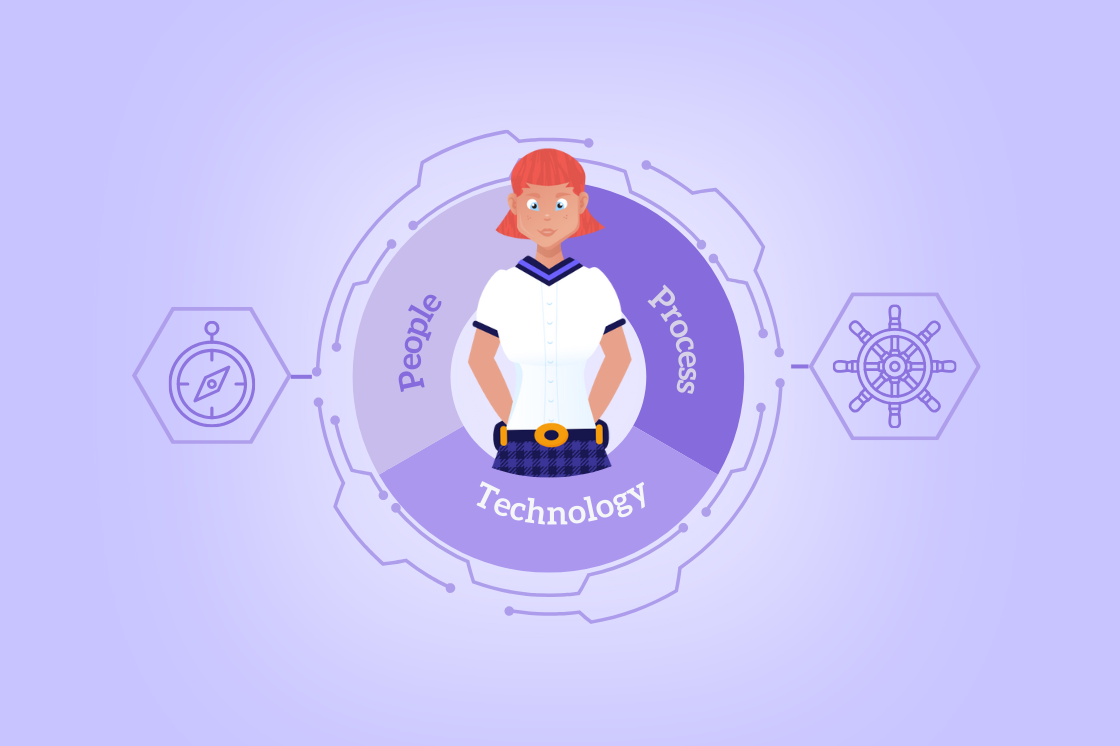
Resilient organizations are built on more than tools. They are shaped by leadership intent, people, and disciplined processes. Technology strengthens that foundation, but it cannot replace it.
Without strong leadership direction, organizations often experience:
- Tools that are implemented but underused
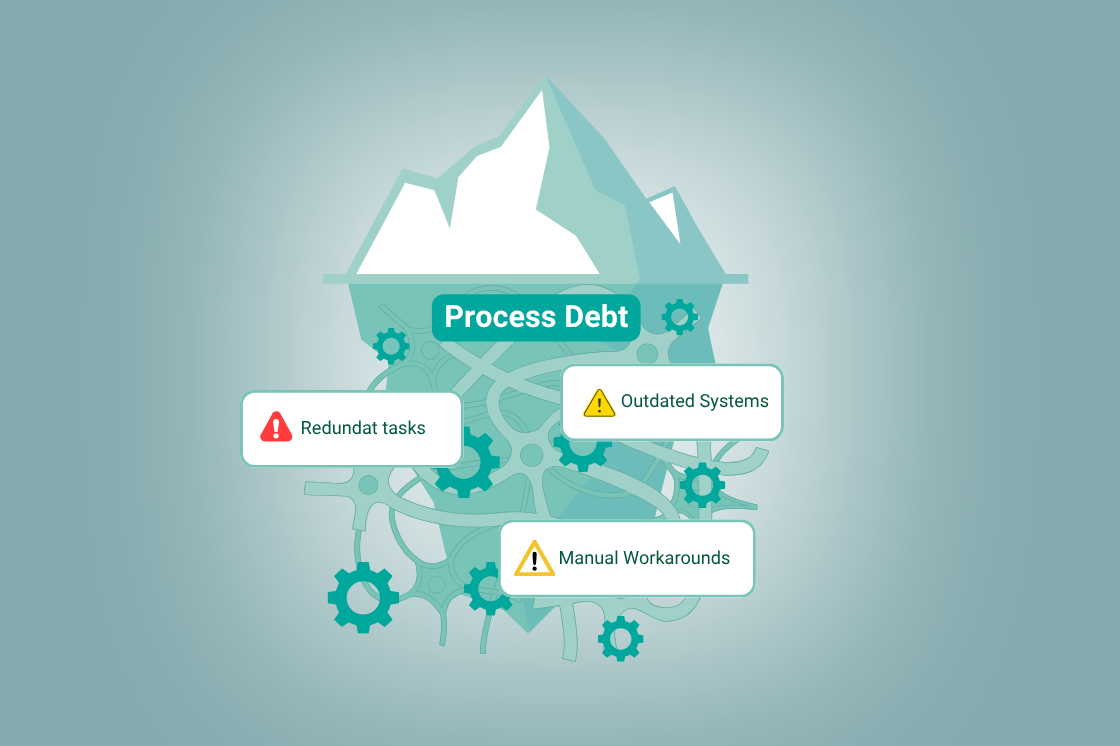
- Processes that exist on paper but not in practice
- Accountability that is unclear or fragmented
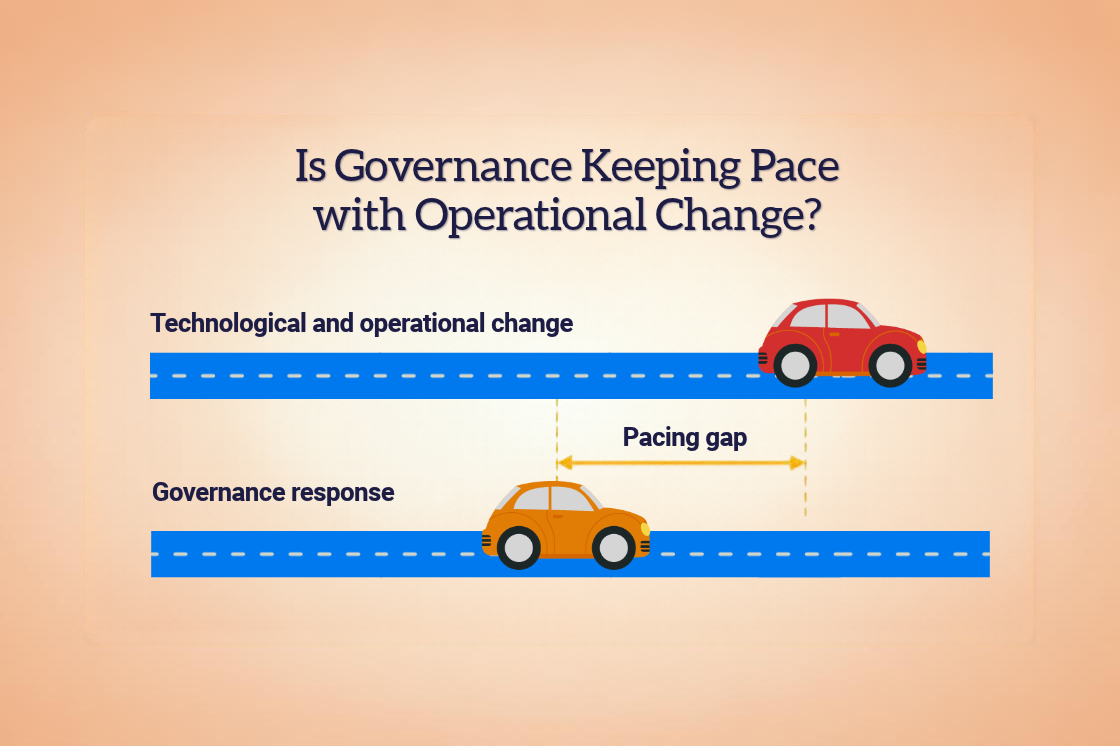
- Governance that reacts only after issues arise
In these environments, resilience looks mature on the surface but is fragile when tested.
Where Resilience Efforts Commonly Break Down
Many operational resilience initiatives fail quietly, not because of lack of investment, but because the operating model is incomplete.
Common breakdown points include:
- Processes that are documented but not embedded into daily work
- Roles that are assigned but lack true ownership
- Expectations that are communicated once but not reinforced
- Governance that exists but does not drive consistent behavior
The organization appears prepared until a disruption exposes the gap between intention and execution.
Turning Strategy Into Day-to-Day Execution
True operational resilience begins when leadership aligns strategy with how the organization actually operates. This means defining what matters most, how success is measured, and who is accountable.
One practical way to do this is by aligning strategic frameworks with operational practices.
| Strategic Focus | Operational Enablement |
|---|---|
| Define required outcomes | Establish repeatable processes |
| Set resilience expectations | Assign clear ownership |
| Identify critical services | Embed controls into daily work |
| Establish governance | Monitor and reinforce behavior |
Frameworks such as the NIST Cybersecurity Framework help define what outcomes are required. IT service management provides the how, the structure and discipline needed to turn strategy into consistent execution.
Leadership Is the Multiplier
When leadership drives alignment across strategy, processes, and governance, resilience stops being theoretical. It becomes part of how the organization operates every day.
Technology plays an important role, but it amplifies what already exists:
- Strong leadership creates clarity
- Clear processes create consistency
- Governance sustains resilience over time
Technology can scale resilience, but leadership creates it.
This perspective is explored in more depth in the full presentation on operational resilience.