AI is being embedded into every aspect of IT Service Management — from service desk chatbots to core ITSM processes and automated workflows. But AI is not a shortcut to maturity. In organizations with weak or inconsistent practices, it amplifies gaps and accelerates dysfunction rather than improving performance.
If you work in ITSM, you’ve likely heard the saying, “A fool with a tool is still a fool.” Often attributed to Grady Booch, it reminds us that technology is not a silver bullet. It must be supported by strong people and disciplined processes.
There is ample evidence to support this.
McKinsey reports that 70% of digital transformations fail to meet their stated goals, while Gartner finds that fewer than half (48%) of digital initiatives deliver expected business outcomes.
In both cases, the causes are consistent: immature processes, weak governance, and insufficient leadership alignment - not the technology itself.
From an ITSM perspective, how many times have you seen an organization “reset” its ITSM tool implementation?
Sometimes it’s a lift-and-shift mindset — swapping platforms but preserving flawed configurations and broken workflows. Other times, it’s weak governance, where ad hoc changes to the tool accumulate without oversight or architectural discipline.
We go through a continual cycle of implementation, blame the technology when results fall short, then search for the next silver bullet.
Worse, new technology often accelerates the pain.
A poorly implemented tool can flood teams with meaningless notifications, create overly complicated workflows, and make results nearly impossible to measure.
We’re not improving performance. We’re automating the pain.
Treating AI as a Silver Bullet Will Only Make It Worse
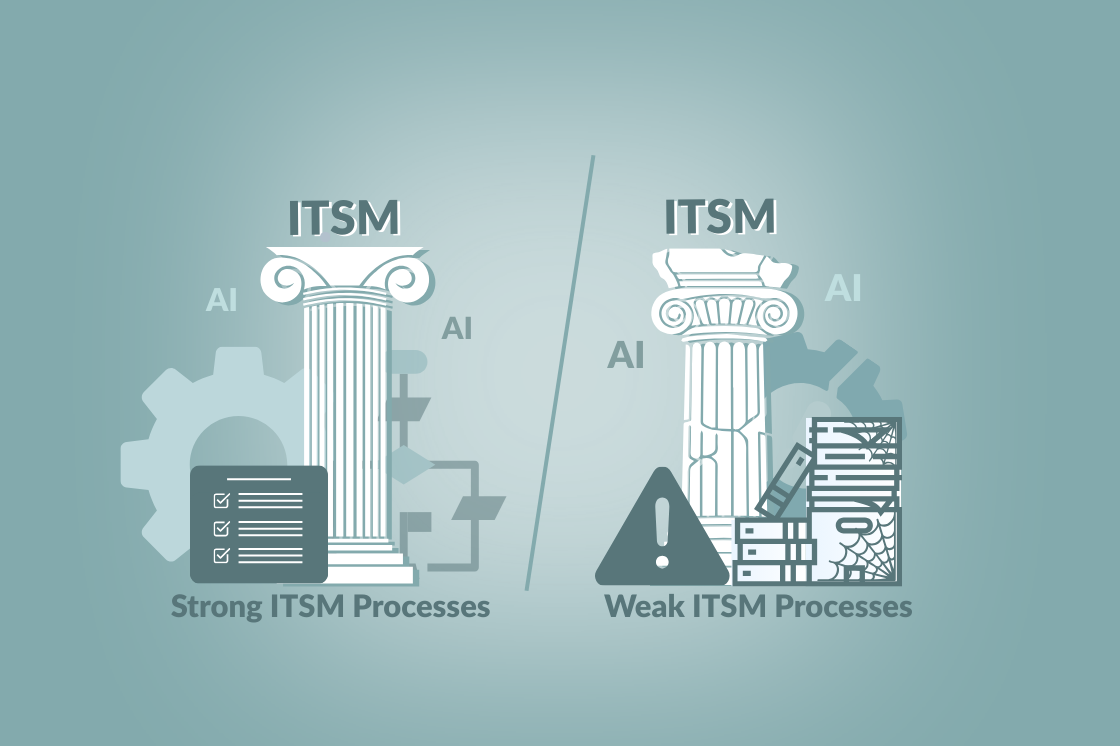
If your ITSM processes are flawed, incident records incomplete, the CMDB out of date, or change records missing, AI will not have the reliable data it needs to generate sound recommendations — potentially producing misleading results at scale. You need to get your ITSM house in order before implementing AI in your service management tools.
And it’s not only ITSM that can suffer from AI’s acceleration of risk. The following examples show that AI implementations without appropriate processes and governance are risky in general.
Research highlighted by Stanford and NYU, along with analysis from McKinsey, indicates that AI-generated code can introduce security vulnerabilities and degrade code quality if not supported by rigorous review, testing, and governance controls.
Recent industry analysis also warns that “vibe coding” — rapid AI-assisted development without architectural oversight — can accelerate technical debt. Large codebase studies have shown increased duplication, reduced refactoring, and higher code churn when AI is used without disciplined engineering standards.
While AI can increase short-term development speed, without strong design principles, review practices, and architectural governance, organizations may trade immediate productivity gains for long-term maintenance burden. Speed without discipline does not eliminate debt, it compounds it.
The cautionary tale is simple: whether it’s immature ITSM practices or flawed software engineering discipline, using AI to accelerate your practices will accelerate the bad along with the good.
Will AI make your Immature ITSM Dangerous?
Bringing this back to ITSM, the pattern is the same.
If incident data is inconsistent, AI triage will misroute issues faster. If CMDB relationships are unreliable, AI-driven impact analysis creates false confidence. If change records are incomplete, automated risk scoring reinforces flawed decisions.
Weak ITSM once created localized inefficiencies. Combined with AI, those weaknesses scale across the enterprise.
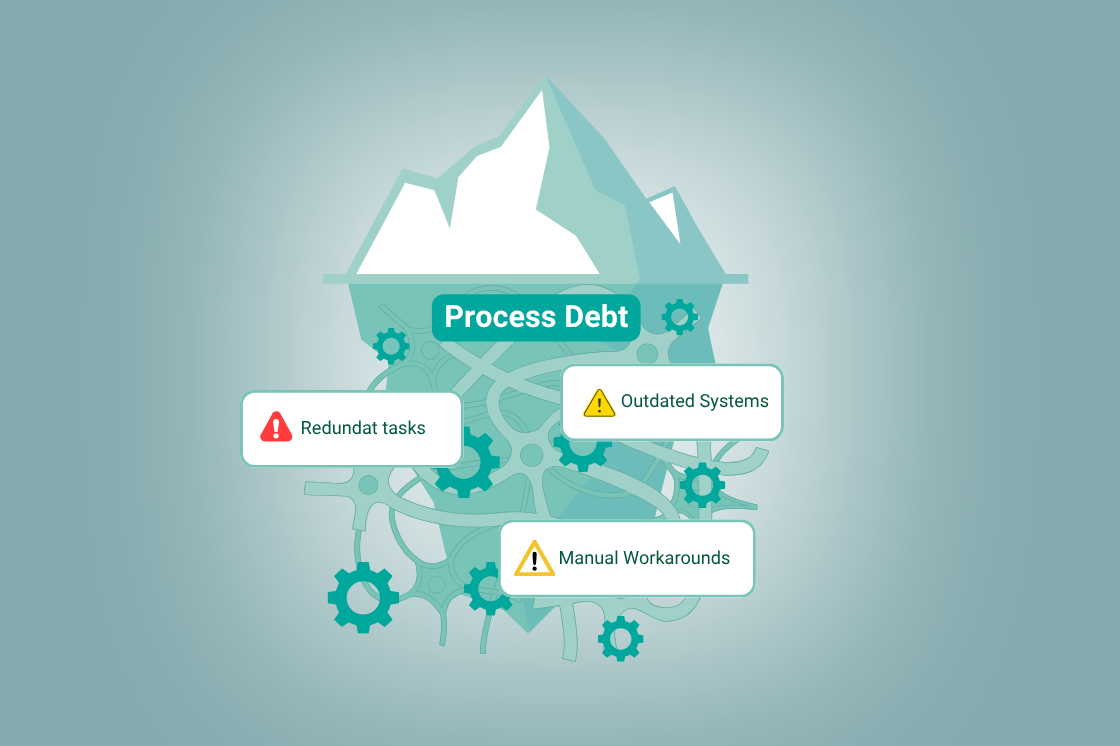
Just as vibe coding accelerates technical debt, immature service management accelerates operational debt.
The technology is not the problem. An immature ITSM foundation is.
AI does not create discipline. It multiplies whatever discipline already exists.
Before accelerating with AI, take an honest look at your service management maturity. Assessing the strength of your processes, governance, and data may be the most important AI decision you make.
AI is a powerful accelerator — but acceleration without discipline leads in the wrong direction. Make sure the fundamentals are solid. Because AI won’t fix weak ITSM. It will expose it.