In Canada, regulators are making it increasingly clear that organizations, particularly federally regulated financial institutions and critical service providers, must be able to operate effectively through disruption.
Table of Contents
1. What do we mean by Operational Resilience?
2. Why are Canadian regulators placing more emphasis on operational resilience?
3. What are regulators really looking for?
4. What does OSFI’s guidance tell organizations about operational resilience?
5. Why is compliance alone not enough?
6. Where does operational resilience actually break down?
7. How does ITSM directly support operational resilience?
8. Why do operational resilience assessments matter?
9. Where does the Navvia Operational Resilience Assessment fit?
1. What do we mean by Operational Resilience?
Short answer: Operational resilience is an organization’s ability to withstand, respond to, and recover from disruption while continuing to deliver critical services.
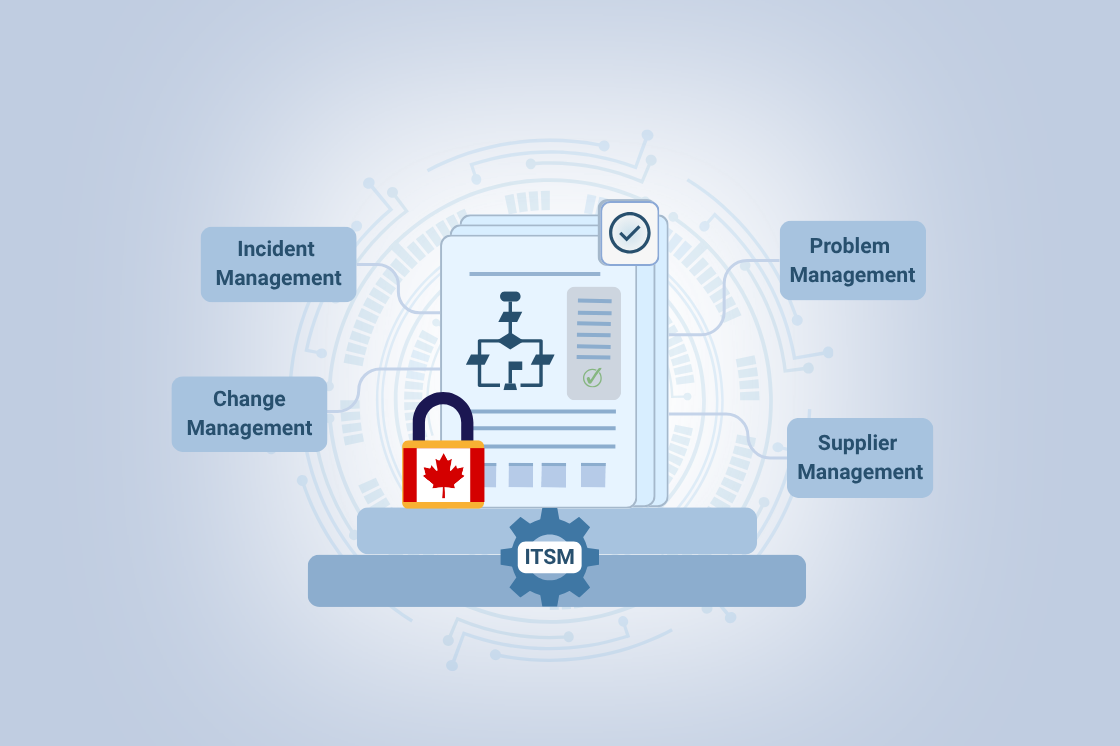
In practice, that depends on disciplined operational execution, which is why mature ITSM capabilities such as incident, change, problem, configuration, continuity, and supplier management play a central role.
Operational resilience is no longer a narrow governance concern. It is now a board-level and executive priority.
Yet many organizations still treat resilience as something separate from day-to-day operations. That is where problems begin.
When the regulatory language is stripped away, operational resilience comes down to a simpler question: How well does the organization operate under pressure?
- Can teams respond quickly?
- Are changes governed effectively?
- Do people understand critical dependencies?
- Are incidents escalated consistently?
- Can important services recover when something goes wrong?
Those are operational questions. And that is exactly why mature ITSM processes matter.
Operational resilience is not built during a crisis. It is built over time through governance, accountability, visibility, and consistent process execution.
Operational resilience is an organization's ability to withstand, respond to, and recover from disruption while continuing to deliver critical services.
Learn More About Operational Resilience2. Why are Canadian regulators placing more emphasis on operational resilience?
Canadian regulators have increased their focus on operational resilience significantly over the last several years. That shift reflects the environment organizations now operate in.
Most enterprises are increasingly dependent on:
- Complex technology environments
- Cloud services
- Third-party providers
- AI and automation
- Interconnected supply chains
At the same time, cyber threats, outages, ransomware, operational failures, and supplier disruptions continue to rise.
As a result, organizations are expected to demonstrate more than policies, controls, and documentation. They are expected to demonstrate operational capability.
This is an important change. Historically, many governance and risk programs focused heavily on audits, compliance reporting, control validation, and formal documentation. Operational resilience changes the conversation because regulators increasingly want evidence that organizations can continue operating through disruption.
3. What are regulators really looking for?
Across industries, regulators are asking organizations to demonstrate the same core capabilities:
- Clear accountability
- Operational visibility
- Dependency awareness
- Coordinated response
- Recovery capability
- Consistent execution
- Ongoing governance
This is where many organizations struggle. On paper, processes may appear mature and well controlled. In practice, execution is often inconsistent.
That gap between documented intent and operational reality is where resilience breaks down.
4. What does OSFI’s guidance tell organizations about operational resilience?
In Canada, one of the clearest signals comes from OSFI and related guidance, including:
- E-21 — Operational Risk Management and Resilience
- B-13 — Technology and Cyber Risk Management
- B-10 — Third-Party Risk Management
- E-23 — Model Risk Management
Each guideline addresses a different domain, but together they reinforce a consistent set of operational expectations.
Common themes across OSFI guidance
These guidelines repeatedly point organizations toward the same practical priorities:
- Governance
- Accountability
- Risk management
- Dependency visibility
- Incident response
- Service continuity
- Supplier oversight
- Change governance
- Monitoring and reporting
- Testing and validation
- Continuous improvement
These are not abstract policy topics. They are operational process topics.
That distinction matters. Organizations sometimes frame resilience primarily as a technology challenge, when in reality it is often an execution challenge.
5. Why is compliance alone not enough?
One of the most common misconceptions is that operational resilience comes primarily from frameworks, policies, audits, or control libraries.
Those things are important. But they are not enough.
Many organizations complete assessments, maintain risk registers, document controls, and pass audits, yet still experience major outages, operational failures, and security incidents.
The reason is straightforward: compliance does not guarantee operational execution.
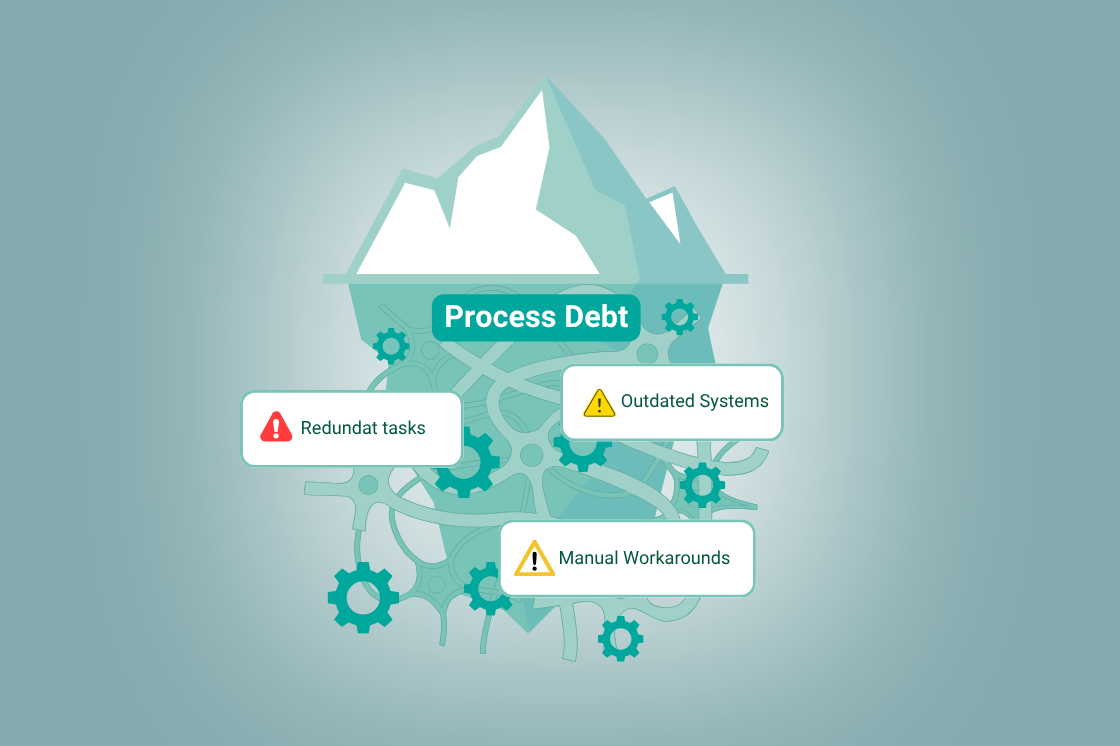
Resilience fails when operational processes do not perform under pressure. In many cases, the problem is not the absence of policy. It is inconsistent execution, weak governance, unclear ownership, limited operational visibility, and processes that are not followed consistently from one team to the next.
Operational resilience issues are often process issues. Weak ITSM processes create gaps in execution, governance, and service stability that increase operational risk.
See What's Breaking Resilience6. Where does operational resilience actually break down?
Operational disruptions are often tied to very practical failures such as:
- Poorly governed changes
- Weak escalation practices
- Incomplete dependency visibility
- Inaccurate configuration data
- Undefined ownership
- Weak supplier coordination
- Poor communication during outages
- Recovery procedures that were never fully tested
- Teams bypassing established governance
The root issue is usually not a lack of frameworks. It is a breakdown in operational discipline.
That is why ITSM capabilities are so important. They create the structure and repeatability needed to operate effectively during disruption.
7. How does ITSM directly support operational resilience?
Operational resilience is built on processes that work in practice, not process diagrams that sit unused in documentation repositories.
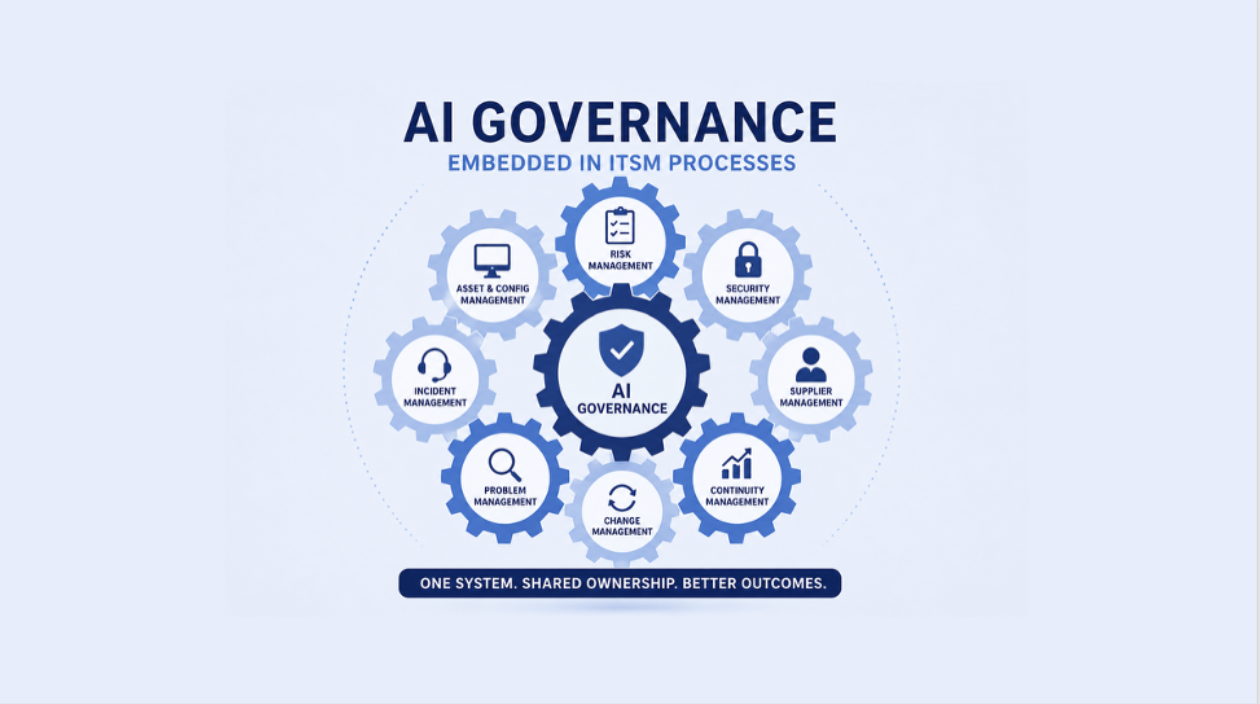
When designed and governed well, ITSM processes provide the accountability, visibility, coordination, and consistency that resilience depends on.
Incident Management
During disruption, Incident Management becomes one of the most important operational capabilities in the organization.
Strong Incident Management improves:
- Response speed
- Escalation clarity
- Coordination across teams
- Communication during outages
- Executive visibility
- Service restoration
Change Management
Poorly governed changes remain one of the leading causes of outages.
Effective Change Management improves:
- Risk assessment
- Dependency validation
- Scheduling coordination
- Testing discipline
- Rollback planning
- Governance and approvals
A substantial number of operational failures can be reduced through stronger change governance.
Problem Management
Operational resilience is not only about responding to disruption. It is also about reducing the chance of repeat failure.
Problem Management supports resilience by helping organizations:
- Identify root causes
- Analyze recurring patterns
- Manage known errors
- Improve long-term service stability
Asset and Configuration Management
Organizations cannot manage resilience effectively without understanding their operational environment.
They need visibility into:
- What assets exist
- How systems connect
- Which technologies support which services
- Who owns critical systems
- Which suppliers support key operations
Dependency visibility is foundational to resilience.
Watch the webinar:
IT Asset Management: Mitigating Risk and Saving Money
Service Continuity Management
Service Continuity Management helps organizations prepare for disruption before it occurs.
This includes:
- Recovery planning
- Recovery testing
- Business impact analysis
- Recovery prioritization
- Crisis coordination
The key question is not whether recovery plans exist. It is whether those plans work under real conditions.
Monitoring and Event Management
Organizations cannot respond effectively to what they cannot see.
Monitoring and Event Management improve:
- Early detection
- Situational awareness
- Trend visibility
- Escalation timing
- Service health visibility
Operational resilience depends heavily on timely and accurate operational insight.
Supplier and Third-Party Management
Many organizations depend heavily on third parties, SaaS vendors, cloud providers, and managed service partners.
That dependency introduces risk that is often underestimated.
Supplier Management strengthens resilience through:
- Vendor accountability
- Operational oversight
- Dependency visibility
- Escalation coordination
- Recovery coordination
Operational resilience depends on ITSM processes that actually work. From Incident and Change Management to continuity, monitoring, and supplier oversight, resilient organizations rely on disciplined execution across the entire service lifecycle.
Explore the ITSM Processes Behind ResilienceThe alignment between resilience lifecycle and itsm processes
The resilience lifecycle aligns closely to core ITSM processes. Organizations withstand disruption through strong governance, risk management, controlled change, and operational discipline; respond through effective monitoring, incident handling, and escalation; and recover through continuity planning, restoration, and root cause improvement. In practice, operational resilience is executed through the consistent application of ITSM processes.
| How the resilience lifecycle aligns with regulatory expectations: |
||
|---|---|---|
| Lifecycle stage | What regulators want to see | Processes that support it |
| Withstand | Strong governance, clear accountability, dependency visibility, effective risk management, controlled change, supplier oversight, and operational discipline that reduces the likelihood or impact of disruption | Change Management, Asset and Configuration Management, Risk Management, Information Security Management, Infrastructure and Platform Management, Release Management, Service Validation and Testing, Software Development, Supplier Management |
| Respond | Early detection, situational awareness, coordinated escalation, clear communication, timely decision-making, and effective incident handling during service disruption | Monitoring and Event Management, Incident Management, Major Incident Management, Measurement and Reporting |
| Recover | Tested recovery capability, service restoration, continuity planning, root cause analysis, validation of recovery actions, and continuous improvement after disruption | Service Continuity Management, Incident Management, Problem Management, Service Validation and Testing, Release Management |
8. Why do operational resilience assessments matter?
A major shift is underway. Organizations are moving away from relying solely on formal compliance artifacts and toward understanding how work is actually performed.
That shift is necessary because:
- Policies do not guarantee execution
- Process documentation does not guarantee consistency
- Controls do not guarantee operational maturity
- Governance structures do not guarantee accountability
Operational resilience depends on what happens day to day across teams, processes, technologies, and suppliers.
This is where operational resilience assessments provide real value. A strong assessment helps organizations understand not just whether controls exist, but whether the operational model behind those controls is mature, coordinated, and sustainable.
See how operational resilience assessments help organizations evaluate process maturity, governance, and operational execution in practice in our article:
Operational Resilience in Practice: Process Assessment.
9.Where does the Navvia Operational Resilience Assessment fit?
The Navvia Operational Resilience Assessment is designed to evaluate the maturity of the processes that directly support resilience.
That includes areas such as:
- Asset Management
- Change Management
- Incident Management
- Information Security Management
- Infrastructure and Platform Management
- Measurement and Reporting
- Monitoring and Event Management
- Problem Management
- Release Management
- Risk Management
- Service Continuity Management
- Service Validation and Testing
- Supplier Management
The assessment combines structured surveys, stakeholder interviews, workshops, governance reviews, maturity analysis, and operational evaluation to identify:
- Operational gaps
- Governance weaknesses
- Dependency risks
- Inconsistent execution
- Process maturity issues
- Areas where operational risk may be increasing quietly over time
Most importantly, it provides organizations with a practical roadmap for strengthening resilience in a measurable way.
Want to see the operational resilience framework in action? Explore how organizations use assessments to identify gaps, strengthen governance, and improve operational execution.
Watch the Webinar10. FAQ
What is operational resilience?
Operational resilience is an organization’s ability to withstand, respond to, and recover from disruption while continuing to deliver critical services.
Why are Canadian regulators emphasizing operational resilience?
Canadian regulators are placing greater emphasis on operational resilience because organizations now operate in more complex, interconnected, and technology-dependent environments. As disruption risk increases, regulators want evidence that organizations can continue operating effectively under pressure.
What does OSFI guidance reinforce?
OSFI guidance reinforces a consistent set of operational expectations, including governance, accountability, risk management, dependency visibility, incident response, service continuity, supplier oversight, change governance, monitoring, testing, and continuous improvement.
Why is compliance alone not enough?
Compliance alone is not enough because documented controls, policies, and audits do not guarantee effective execution during disruption. Operational resilience depends on whether processes perform consistently in practice when services are under pressure.
How does ITSM support operational resilience?
ITSM supports operational resilience by providing the structure, accountability, visibility, and coordination needed to manage disruption effectively. Capabilities such as Incident Management, Change Management, Problem Management, Asset and Configuration Management, Monitoring and Event Management, Service Continuity Management, and Supplier Management all contribute directly to resilience.
What should organizations assess first when strengthening operational resilience?
Organizations should begin by assessing the maturity of the operational processes that support resilience, especially governance, change control, incident response, dependency visibility, recovery capability, and supplier oversight. An operational resilience assessment can help identify gaps, clarify priorities, and define a practical improvement roadmap.
11. Final thought
Canada’s regulatory direction is clear. Operational resilience is now a strategic expectation.
Organizations should be careful not to treat it as a separate governance initiative disconnected from operational reality. Resilience ultimately depends on execution.
That is why mature ITSM capabilities are foundational.
The most resilient organizations are not simply the ones with the most documentation. They are the ones with the strongest operational discipline, the clearest accountability, and the most consistently executed processes. When disruption occurs, resilience depends on how well operations perform under pressure.